Lip Fillers Gone Wrong: Avoid Mistakes and Find the Right Practitioner
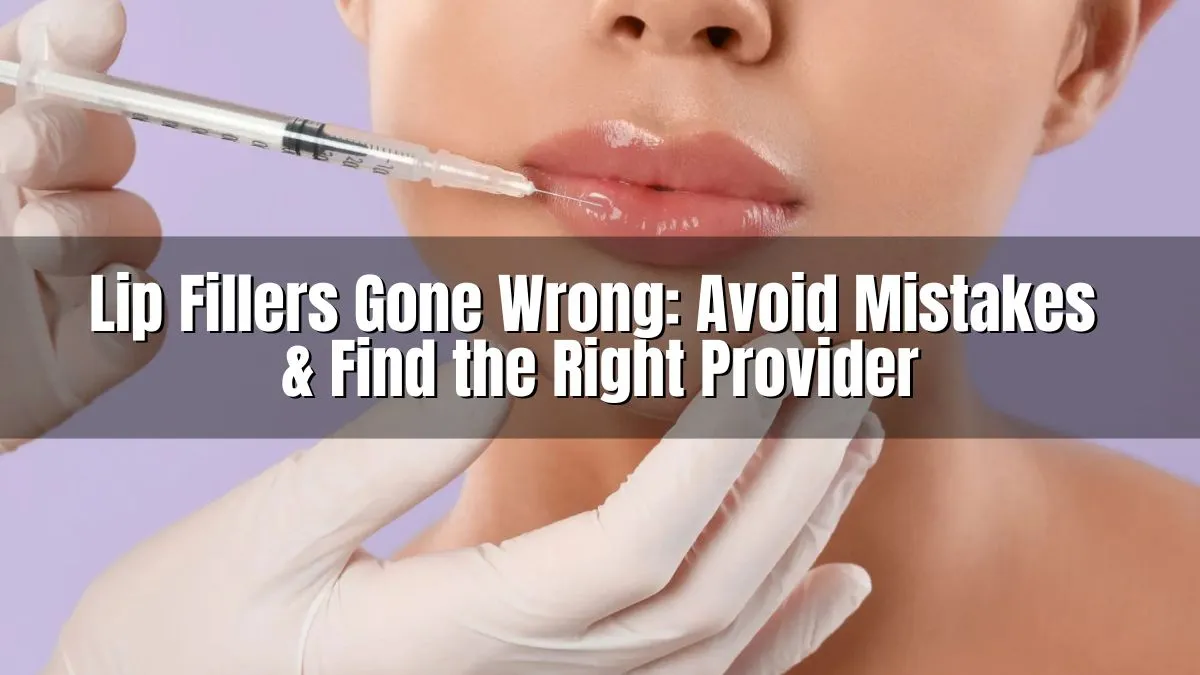
Understanding the Risks of Lip Fillers
Lip fillers are widely available but not always delivered safely. As a nurse-led aesthetic provider in Buckinghamshire, DA Aesthetics sees the fallout far too often—duck lips, lumps, asymmetry, and in rare cases, serious complications. What caregivers need to know isn’t glamorous—but it’s essential. Here’s what matters.
Table of Contents
ToggleWhat Can Go Wrong: Key Signs of Botched Lip Fillers
Many issues arise simply because someone without rigorous medical training steps in. In the UK, where aesthetics is still loosely regulated, lip filler procedures are sometimes carried out by unqualified individuals—hairdressers or trainers, even—who don’t understand facial anatomy or risks.
Some key red flags include:
-
-
- Overfilled, “duck-like” lips that lack natural balance or proportion
- Asymmetry or uneven distribution—one side looks higher, lumpier, or off-centre
- Lumps, nodules, or irregular texture from poor placement or low-quality filler
- Filler migration, where product moves from where it was placed, distorting shape
- Persistent swelling, redness, pain, or in severe cases, ulceration or vascular compromise
- Overfilled, “duck-like” lips that lack natural balance or proportion
-
What to Do if Things Go Wrong
If you notice any of the above signs after a filler session, here’s a measured path forward:
Start by staying calm and contacting your medical provider right away. Many minor irregularities settle with time, cold compress, or gentle massage.
Persistent lumps or overfilling often respond to hyaluronidase, the enzyme that dissolves hyaluronic acid fillers. In rare, severe cases, surgical correction may be discussed—but that’s always a last resort.
How to Avoid Lip Filler Mishaps
Prevention is the best strategy. Here’s what I emphasise at DA Aesthetics:
1. Choose a Qualified Practitioner
Insist on a medically trained provider—doctor, nurse, or dentist—with demonstrable training in aesthetics. Poor credentials significantly increase risk.
2. Look for a Clean, Clinical Environment
Any procedure done in a non-clinical venue—hotel room, kitchen, living room—is a serious warning sign. Real clinics follow strict hygiene and safety protocols.
3. Question the Products Used
High-quality, licenced hyaluronic acid fillers have safety data behind them. Cheap or unregulated products raise red flags.
4. Start Conservatively
Begin with a small amount of filler. You can always add more later. Injecting 1ml all at once is often excessive and risky.
5. Communicate Expectations Clearly
Discuss your desired outcome and facial balance explicitly. Your practitioner should listen, assess, and customise your plan—not push a trend.
6. Follow Aftercare Instructions
Avoid touching, massaging aggressively, applying pressure or using blood-thinning medications for at least 24–48 hours. Stay out of high-heat situations and keep the area protected.
Why Trust DA Aesthetics?
At DA Aesthetics, every lip filler treatment begins with a face-to-face consultation and an anatomy-led assessment to ensure it’s truly suitable. I’m a qualified nurse prescriber with years of clinical experience. I prescribe conservative volume, prioritise natural balance, and always offer aftercare. Your safety and a subtle, lived-in result are the goals—nothing else.
Frequently Asked Questions (FAQs)
Severe/lasting swelling, lumps, asymmetry, fluid leakage, pain, or discolouration are signs that warrant immediate evaluation.
Most hyaluronic acid fillers can be dissolved with hyaluronidase. It’s typically effective, but timing and dosage matter.
Many are treatable with enzymes or massage. Permanent damage is rare but avoidable with the right provider.
No—minor bruising can be normal and often harmless. But if it’s very painful, persistent, or accompanied by other symptoms, contact your practitioner for evaluation.
Yes—when performed by qualified professionals in a clinical setting. Proper training, product selection, technique, and follow-up are all key.